Introduction
Domestic cooking especially the soup recipes play an important role as it is the food that makes people comfortable, nourished and pliant in one. The soups are a classic of using the simplest of ingredients to transform them into a nice meal in different cultures and seasons of the year. Soup is the ultimate comforter and familiarity that can very easily be traced in the day to day life whether it is consumed as a light snack or a hearty meal. Right attitude can transform recipes of soup into good and normal home cooking.
This soup cook book is set up so as to cater to nourishing domestic cooks, and enthusiasts of unnecessary simplicity. It is focused on producing the soups, which could be tailored according to different times of busy life, tastes, and food provision. All one needs is a couple of basic tricks and rules of taste, and any kind of soup can make them feel comfortable, well-balanced, and highly contentious despite their cooking skills.

Soup recipes are vital in day to day domestic cooking.
There is need of soup recipes as they can be modified according to the needs and situations. A single can of soup can be used in many different ways, i.e. a quick dinner in the week days, a healthy lunch, or a warm breakfast in cooler weather. This is what makes soup one of the most convenient meals among home cookers who would not necessarily have to make choices to get a good result.
Another reason as to why recipes containing soup is so successful is that they are forgiving. They are not required to have the right timing because some of the dishes they require could be adapted and therefore the soups can be varied. Such ingredients can be added and removed or substituted depending on the availability. This kind of flexibility will ease the stress and make the cooks more inventive and will cause the cooks to be more at home with the things they currently have.
The consumption of ingredients also is effective with soup. Vegetables that are towards expiry date, semi-processed foodstuffs that have been left behind and even pantry food can be used to make a tasty soup. Such a strategy reduces food waste, stretches grocery budgets and also prepares fulfilling, but purposeful and satisfying meals.
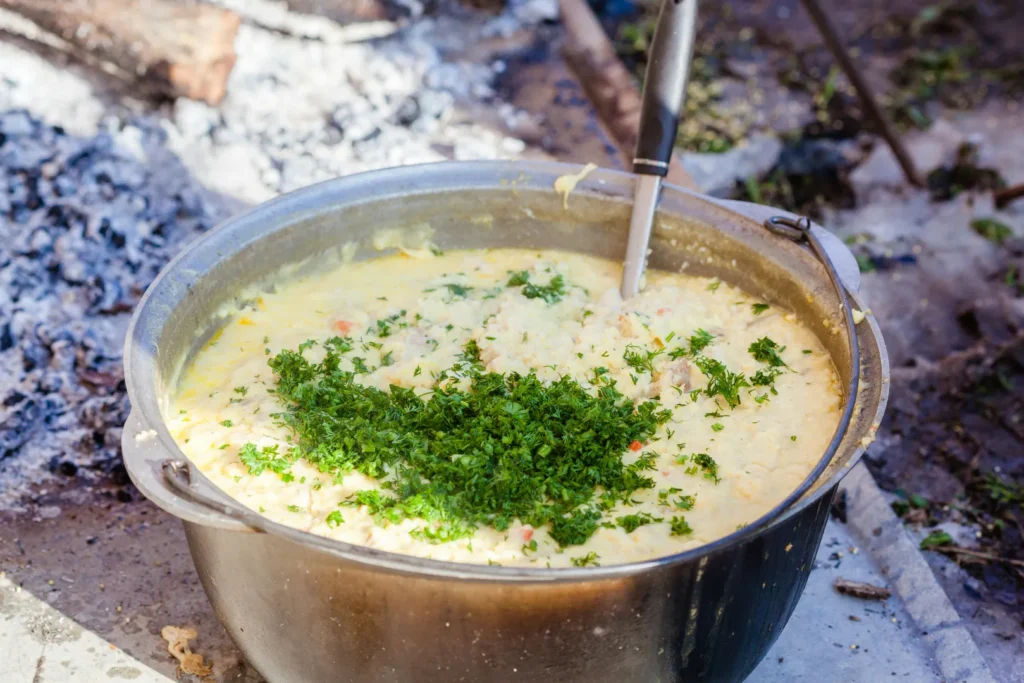
The information regarding different kinds of soup and the application of soup in planning meals.
The recipes of soups can be divided into quite broad categories which have different purposes. Clear soups are normally light and refreshing and hence are ideal to begin with or have simple lunch. Brothy soups focus on the ingredients individually and allow the flavors not to be too heavy. These types of soups are especially great when one is not in the mood to eat or when he/she wants to have something lighter.
Soups made of creamy substitutes are highly comforting and are normally prepared with a lot of body added to it through the blending of vegetables or dairy to take the place of dairy. These are extravagant soups that retain the power of ingredients. There is nothing to be overwhelming even in creamy soups and they can be balanced through whole-food bases and conscious seasoning.
Complete meals are heavy soups and stew that contain vegetable, proteins and grains. These recipes are very effective when it comes to preparing soups because they save on preparation on the use of other dishes in the busy families. The fact that there is a variety of types of soups to be added to the meal arrangement contributes to the diversity of the meal and is compatible with different moods and seasons.
Flavor can be created at the initial stages of the recipes of the soup.
Good recipes of soup are always started with good sense of taste that would be built in the initial stages of the cooking process. The aromatic ingredients that form the basis of the entire dish are the onions, garlic, celery and carrots. The time taken to gently make these ingredients tender is what imparts the inherent sweetness and richness which is then passed on to the soup.
The other one is to early season. The addition of salt in the initial stages helps in the attraction of moisture as well as in the regulation of taste. The outputs of this method are that the ingredients are able to be seasoned gradually rather than being flat on the end. There is an advantage of being able to taste and make adjustments to the recipes during the cooking process as compared to being able to make corrections at the end of the cooking process.
The role of the fat in the formation of flavors is also empennage. It is consumed to give flavor and create a good mouth feel when the fat could be oil, butter or any other form of fat. It is these factors that have allowed domestic cooks to make balanced and comprehensive soups.
Choosing the right liquid in recipe dishes of well balanced soup.
The type of liquid that would be applied in the recipes of the soups is also a significant consideration. Water can be utilized where ingredients are already tasting and broths and stocks can add a more profound and enriching taste. It is made on a firmer base of vegetable broth, chicken or bone broth that supports a variety of soups.
Home made broth allows one to control the flavor, and sodium, but commercially made can be useful when carefully selected. This soup recipe guide will encourage every person to sample the broth prior to application and season it with it. Not all broths are created equal and it is a good thing to know their flavor profile to avoid too salty or too boring soups.
It also depends on the liquid solid ratio. Too much liquid can dilute flavour and insufficient will cause stew like texture. Through training on the use of small portions of the liquid to add, the cook can achieve the desired consistency without the lack of good taste in the soup in between.
The vegetables as the focus of the soup recipes.
The recipes of soups are often based on vegetables as they are one of the major ingredients of the soup that provides it with flavour, texture and nutrients. It is bulkied and naturally sweetened with root vegetables such as carrots, potato and squash. When added towards the end of cooking, the greens assist in creating freshness, as well as, color.
The added texture of the vegetables by depositing them based on the time of cooking is improved. The harder vegetables are the ones that should be simmered and the tender ones to be added later. This will assist in avoiding overcooking and will conserve on flavor. The recipes of the soup with the timing of ingredients taken into account are expected to be healthier and cheerier.
The mixture of the soup (part or whole) results in creamy texture without any thickeners. Pureed vegetable soups in particular are also helpful when it comes to highlighting the harvest of the season. Even these soups may be light and filling when they are changed in terms of their thickness and seasoning.
Soup protein options.
Protein contributes the bulk to the recipes of the soup so that they become less insubstant and more likely to form a main dish. One popular option is the beans, legumes or lentils that also contains the fiber and texture. They absorb the surrounding flavors and are used in the making of meatless stew hearty soups.
Issue of timing of animal proteins such as chicken, beef or fish also exist. To place them too soon will make them dry and placing them too late will also make them undercooked. The information about the characteristics of different proteins is applicable to maintain tenderness and flavor.
Egg and additions based on dairy also contain proteins. The process of tempering eggs or pouring yogurt on the goods with care techniques is rewarding and results in high texture are left to the cooks. These alternatives expand the varieties of recipes that can be employed to make soup in regard to the preferences and nutritional needs.
To prepare soup recipes: grains and starches.
Grains and starches make the recipes of soup plush and sticky. Soupes prepared using rice, pasta, barley as well as quinoa are commonly prepared and stored. The choice of grain is also at will of the choice of the texture and the time of cooking.
The whole grains are cooked in the soup to add flavor although this makes the liquid thick. The presented recipe guide to the soup suggests reducing the volume of liquid in the event of the inclusion of grains. Cooking of grains can be done separately and it can be rinsed later to add texture as well as control of consistency.
Starchy vegetables such as potatoes and sweet potatoes are also sources of the thickening and heartiness. They also do well when cooked well to complete even the soups without any other thickeners. It is a natural process which enhances taste and health.
Refining and polishing soup recipes.
Recipes of soups are complex to make since they are a continuous process. Step by step tasting will offer opportunities of making adjustments that result in layers that are not overpowered by ingredients. Herbs and spices should also be used very carefully to add value to the soup rather than replacing it.
Brightness and smell are achieved through the addition of fresh herbs at the end. Dried herbs work well at the first stages of cooking process when they have time to release the flavor. The recognition of this difference makes it more stable and prevents bitterness.
Extra ingredients such as splash of acid, drizzle of oil or sprinkling of herbs could make a difference in a soup. These final items give contrast and raise the taste and even plain recipes of the soup are refined and intentional.
Get a recipe of batch cooking and meal preparation.
The best when it comes to batch cooking is soup recipes as they are likely to improve over time. These tastes are combined and the soups simmer to make the leftover even better. This factor renders soup a viable choice as far as meal preparation every week is concerned.
Through freezing of soup, one can store long and have meals at any time. Most soups, with exceptions of dairy ones, are deep freezeable. Propper portioning and labelling helps in ensuring quality and order. Home cooking throughout a hectic setting is guaranteed by the existence of soup in the freezer.
Soups can be warmed up in a burner which is on a low level in order to preserve texture and taste. Leftovers are to be refreshed by the addition of a new ingredient, e.g. greens or herbs, during reheating. The specified strategy ensures that one does not find any of the presented meals dull.
Recipes of soup all year long.
The season of the year adds to the most desirable recipes of the soup. Stewed soups and root vegetables and grains are cozy and warm in colder seasons. These soups are energy giving and they are accompanied with slower methods of cooking.
Subsequent seasons welcome lighter soups which incorporate fresh products. Chilled soups or broth products are cooling and are nourishing. The seasonal awareness makes sure that the habits of the soups are in line with the appetite and the environment.
The use of seasoned ingredients improves taste and in most occasions, reduces price. The present soup recipe guidebook will facilitate the process of altering soup recipes throughout the year to allow the soup to reflect the freshness and availability of products and items dedicated to creating diversity instead of intricacy.

Conclusion
Soup recipes are an excellent and home-cooking comfort, malleable, and nutrition technique. Home cookers are aware of the most basic tricks and principles of the flavor, so they could make the soups that would suit the requirements of different seasons, time tables, and tastes. The meals can be planned and prepared with the use of much confidence and pleasure as well, by finding the soup ideas and other meal plans on CookingHint.
Once these soup recipes turn into habits, they provide some element of familiarity and stability during the periods when the world and everything around are too complicated or chaotic. By retaining learning and attempting them with the available resources that can be found on CookingHint and comfortably and confidently feed a body and a routine, home cooks can develop a long-term relationship with the soups.

