Introduction
Seasonal eating is an intelligent and sensible cooking day-in, day-out, meaning that foods ought to be served as and when they are optimally in their natural condition. Seasonal eating also encourages those who make meals in the house to make slight changes to meal based on availability, taste and freshness of ingredients in the other seasons. This diet will result in the improvement of the taste, nutrients, and pleasant cooking experience without the stress and the complexity.
The other effect of the seasonal eating is that it brings the people close to food and their life. Meals will also start to take weather, routine and energy into account, will become more natural and satisfying. The home cooks will be empowered to develop an adaptable, sustainable model of the mechanism of transforming the patterns of cooking to the year-round, which will allow them to enjoy and maintain good balance.
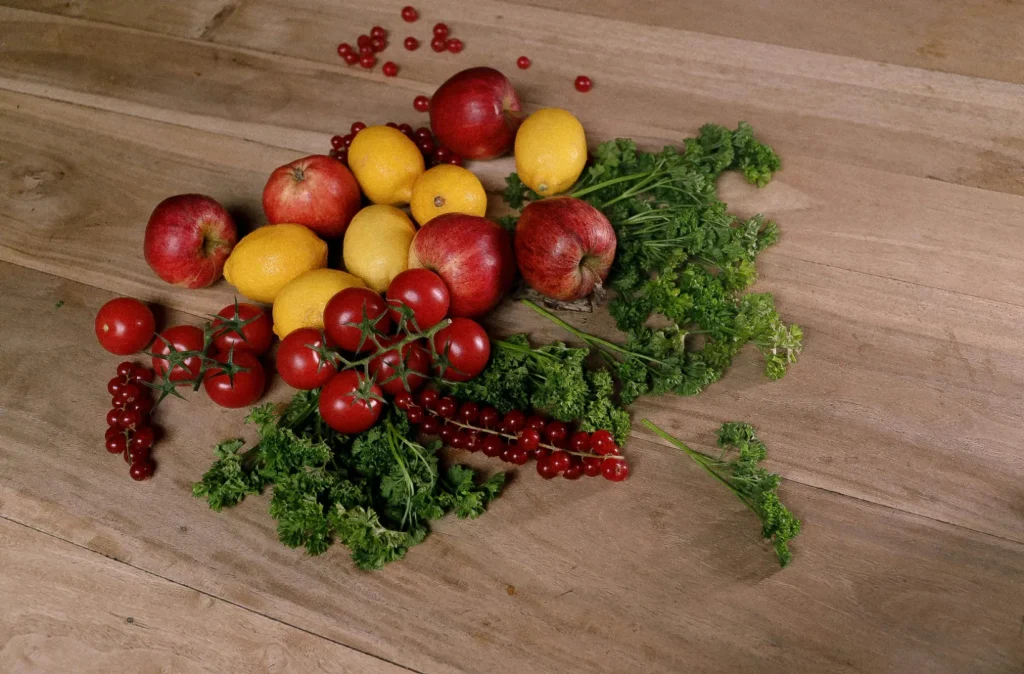
To know what they mean by eating seasonally.
Seasonal eating is founded on an extremely straightforward principle; food is good when it is yup at the best time of the year when it grows and when it is picked. Fruits and vegetables that are grown naturally are also tasting, textured and healthy. This is in that once home cookers adopt the idea of using the food that is in season, they do not necessarily need to rely on the excessive seasoning or more fancy method of enjoying their food.
Knowledge is another feature of seasonal eating. It also makes one consider the food that is available in the market and also appearing in various seasons of the year as being very good. This consciousness makes the cooking process more impulsive as there are no strict plans and trends which are followed and the decisions are made with the help of natural signals. The increased relaxed, self-confident relationship with food is due to seasonal eating.
Seasonal food also promotes diversity. The ingredients change on a seasonal basis and this automatically changes meals and tastes. This constant change removes boredom and even cooking which will need to be done in a daily basis becomes interesting without any serious effort being made to learn new concepts.
The reason that makes local eating in the season more pleasant and more flavorable.
One of the most easily perceived advantages of season eating is flavor. The ingredients picked are in the best possible condition of ripeness and have equal quantity of sugars and acids that give it more richness in taste. The produce that is not in season is usually shallow and will need the addition of the sauces or some kind of seasoning. The growing of food in seasons implies that there is no overprocessing of the food product.
The other modification of food texture is food when one is in season. Fresh foods are more appropriate to cooking roasting, sauting or eating raw. It is one of the benefits of seasonal eating that enables to achieve improved outcomes and minimize frustration in the kitchen.
Seasonal eating has additional emotional gratifications other than physical. Proper and homey food is the one that is in season. This sense of correlating also makes the day to day meal meaningful and makes cooking not so normal and normative.
Food consumption and smarter shopping.
Eating time is an inbuilt behavior that promotes good buying of groceries. Foods are cheaper and more in abundance when they are in seasons. This will make the housewives spend on a higher quality of food at a low cost. They are no longer associated with a convenience value because of seasonal of food.
The problem of waste is also mitigated by seasonal food when it comes to shopping. Its seasonal products are more durable and cookable. Food will be eaten to the last when it is attractive and tasty instead of staying in the refrigerator.
Food that is in season makes shopping easier. Instead of being provided with a variety of choice, cookers will get the opportunity to listen to the newest and the most colorful things. It would save time and instill a sense of trust in ingredient choice.
Lunching in the springtime.
Eating in spring is generally somewhat sparse, more merry following the winter, with its fat food. The dish is also added with herbs, early vegetables and leafy vegetables to provide it with a new flavor. This group of food promotes simple cooking techniques that highlight natural taste.
The color and texture are likely to be maintained during the cooking time because recipes are used in seasonal eating during the spring season. Light ingredients are extracted using light seasoning, sauteing and light steaming. Food also arouses and it still leaves satisfaction.
More raw or lightly cooked food is also consumed during consumption of spring season. Salads, fresh herbs sauces and fresh vegetables are more amiable as well as they can rejuvenate the routine and the shift to warmer weather.

Eating in summer convenience and profusion.
Food taken in summer season is plentiful and easy. Fruits and vegetables are at their height and good meals are made with less efforts. The lunch prepared during summer is typically in the manner of tomatoes, fresh herbs, cucumbers and berries.
The summer season is more toward eating light meals because heat destroys the appetite. Quick stovetop and no-cook meals are grilled to ensure that the kitchens are not hot with no cooking of meals involved. They are effective approaches to full and hectic schedule, and partying.
Summer food is also helpful in the provision of energy and hydration. The mix of goods which is produced with the help of water and bright tastes maintains the equilibrium on hot days. This way, one is likely to eat healthy food without the weight factor.
Autumn food Autumn food is in season.
October season food is a changing to the warm and plenty. The decrease of the temperature will bring into the limelight squash, root vegetables, apples, and hearty greens. These foods include roasting, baking and simmering food.
The fall autumn eating can be anchored on the formation of layers of taste. The natural sugars are roasted to caramelize them and the spices and aromatics are acquired through the slow cooking to get the depth. Food is cozy and contenting.
The Autumn seasonal eating is also due to a batch cooking. Soups, stewes and baked, these are refrigerable and tends to pick up with time, therefore, making it convenient to make ends meet during the hectic working week by sustaining meals.
Pie and bread winter seasonal.
Winter dieting is seasonal dieting that is food and nourishment based. Tinned foods, roots, legumes and hefty greens can be bought with ease and found in ingredients which are available during the colder seasons. These are food products which are long term energy and comfort providers.
The mode of cooking foods during winter season depends on the low heat cooking. In baking, simmersing, preparing, raising, hard substances are used into soft, savory food. The methods lead to most satisfactory meals.
The eating what is in season during winter promotes planning. Even the preparation of some large dinners, which could be used in several days, will assist in saving time, and will enable carrying over the routine within which the motivation can decrease.
Food seasonality and health eating.
Another concept that focuses on the concept of healthy eating is seasonal eating as it is a concept that embraces time in terms of diversity. The foods offered in the market will be of different types, and will not demand close attention and enrichment to supply the vitamins and minerals.
Seasonal eating also minimizes on usage of processed food. The fresh products are tasty, and people do not need canned additives and sauces. Seasonal food promotes healthy nutritious food which coincidentally happens to be wholesome and satisfying.
Balance of portions is normally attributed to seasonal eating. The change in the food intake with seasons, that is eating heavy food during colder seasons and eating light food during warmer seasons are also matched to the nature of the food and helps to give a food eating habit instinctively.
The transformation of food which used to be in seasons to the contemporary lifestyles.
Agricultural harvest is accommodating to a hectic schedule. Home cooks can fall on the easy preparations when faced with the busy days, and use the more complicated preparations when they will have the time. It is not complex but ingredients.
Meal planning that is seasonal decreases fatigue associated with making decisions. It would be more convenient to select several ingredients that are in-season and apply them in different applications in order to streamline the weekly activities although they may be heterogeneous.
Seasonal food is also adaptable to the various food preferences. Since it is a product that is made of whole ingredients, it can accommodate plant-based or gluten-free dieting and other eating habits without a hustle.
Diet, planning and strategies of eating.
Seasonal food microplates planning the food to consume. Cookers are also able to take the ingredients available and think of the different ways they can be used in another form all throughout the week and not start with recipes. Such ingredient based approach promotes flexibility.
Seasonal eating is in favour of modular cooking. A cooked vegetable or a cooked grain can be incorporated in many meals and hence there will be a saving of time, energy will be conserved and waste will be minimized.
The planning of food by season can also be used to control energy. Harder cooking may be scheduled to a day when work is not very high and easy meals may be cooked in case it is a very busy day and this puts a sense of balanced and consistent.
Seasonal eating strategies of building flavour.
The reasons behind season eating are based on the methods that would not conceal or mask the natural taste, but bring it out. The right amount of heat and the right time, ingredients help to bring out the best in them in the process of the proper seasoning.
Herbs and spices can be applied in seasonal eating when they are used properly. There is use of fresh herbs during warm seasons which gives it a brightness but in cold seasons it involves use of dried spices. Equilibrium of this nature is better understood to achieve good results.
Acidity is also significant. Seasonal eating is not so hefty and more happy as the introduction of a small portion of citrus or vinegar will make the dishes not so thick.
Locally eating and sustainability.
Seasonal eating has a very close relation to sustainability. The connotation of consuming products grown in growth season regularly diminishes the adverse effects on the environment, both in transportation and artificial productions of a growth state.
Mindful eating is also promoted by seasonal eating. In the scenario of ingredient costs where it is argued that it is seasonal, there is not as much wasted, but rather thought of the preparation and storing.
The other advantage is that it is pro local producers. The purchase of locally available food in the season will enhance the community building and appreciation towards the food system behind the daily meals.
Educating about home cooking in seasons.
Food awareness and appreciation is achieved by distributing the practices within a household on seasonal meals. The issue of the lack of interest in cooking can be prevented by informing other individuals about the seasonal variation of ingredients.
s to feel better both in and out of the kitchen.

Conclusion
Seasonal eating provides a friendly, rewarding method of securing the daily home food by matching the food material, the methodologies as well as the tradition to the yearly cycle of nature. Based on the freshness, balance and flexibility, home cooks will be in a position to prepare meals that will be saturating without focusing on the irrelevant work. Expound on seasonal motivation and ingredient-oriented guidelines on CookingHint can also be beneficial in making good and productive cooking.
Seasonal eating is bringing diversity, coziness, and ceremony to the table in that it is emerging as a habitual norm. The help of CookingHint and the constant information concerning the changes of the seasons will help the domestic cooks to create the sustainable habits which will help them add more spice, their health, and get even closer to food with the shifts of the seasons.

